
Going Beyond Borders: How China and Europe Are Rethinking Healthcare Partnerships
At FHIM in Shanghai, investors examined how development expertise, local relationships and deal structures can help healthcare innovation reach new markets.
Tags
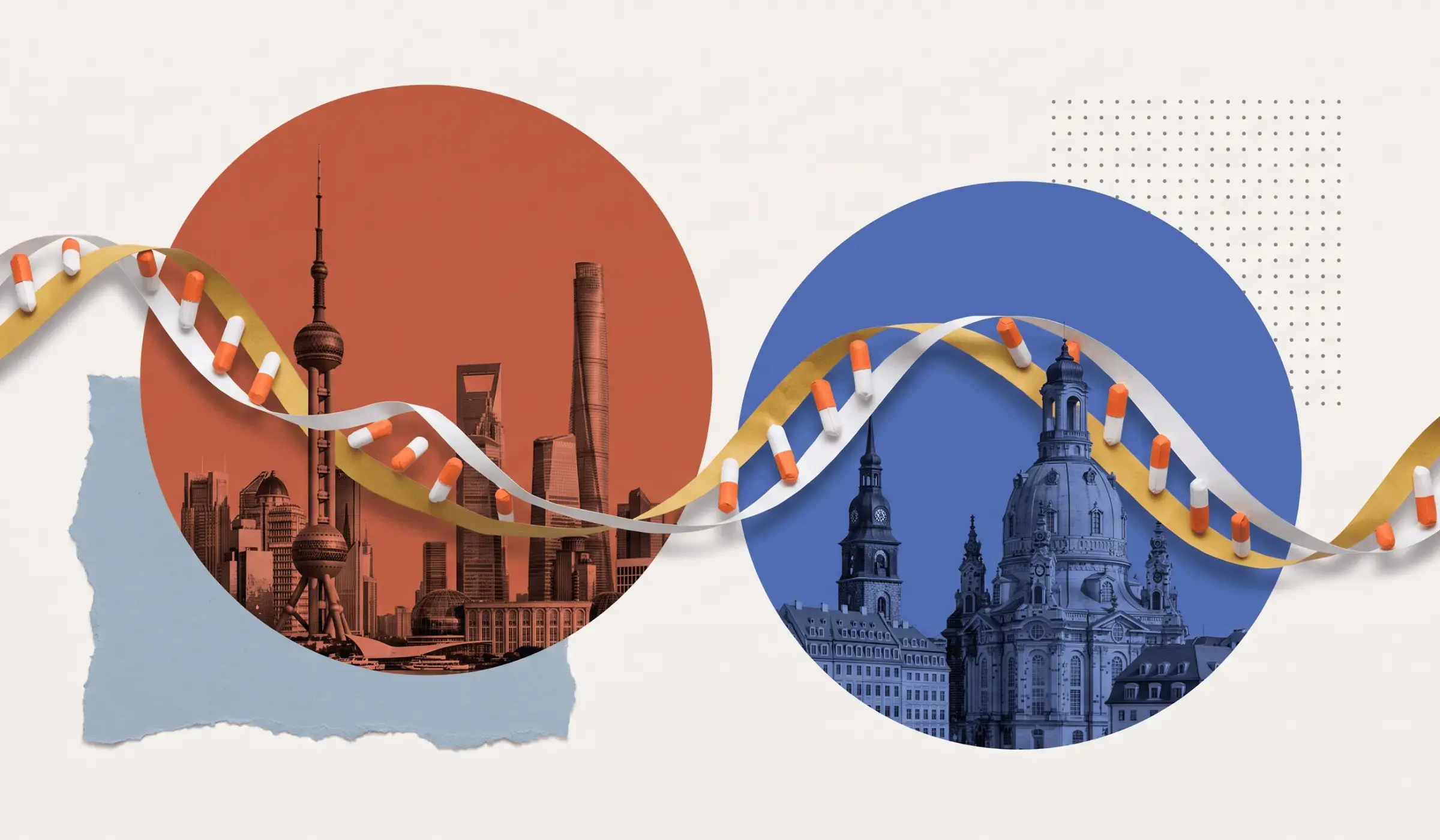
China’s healthcare innovators are seeking access to global markets and European investors are looking for new drugs and medtech with international potential. Turning that potential into approved treatments, however, requires much more than funding. Developers need partners who can help guide clinical trials, navigate regulatory approvals and commercialize treatments abroad.
How can developers and investors structure partnerships to meet these needs? This question was central to the two panel discussions I had the pleasure of hosting with SS&C Intralinks at the inaugural Future Healthcare Investment Market (FHIM) in Shanghai.
The sessions brought together investors, advisors and operators from EQT Life Sciences, Angelini Ventures, ICG Life Sciences, GHO Capital, Andera Partners, Lauxera Capital Partners, Keensight Capital and Orcom.
From structuring cross-border partnerships to building a stronger presence in China, here are some of the key themes that emerged from the discussions.
Chinese healthcare innovation is attracting European investment
China is one of the world's most dynamic centers of healthcare innovation, attracting growing interest from European investors seeking differentiated assets and breakthrough technologies. Panelists highlighted continued demand for drugs that address unmet medical needs and are supported by clinical evidence demonstrating their potential to compete internationally.
At the same time, the role of investors is evolving. Beyond providing capital, many are looking to add strategic value by offering clinical, regulatory and operational expertise, helping Chinese developers build the capabilities and international networks needed to bring drugs to global markets.
Healthcare partnerships are expanding beyond licensing
As healthcare innovation becomes increasingly complex and global, investors and developers are exploring partnerships that go beyond asset transfer. Traditional licensing agreements remain an important route to market for innovative drugs, alongside co-development arrangements, strategic investments, joint ventures and platform partnerships.
These partnership structures bring together scientific innovation, commercial capabilities and operational expertise, allowing participants to share risks and rewards while taking a longer-term role to develop and commercialize drugs.
Expansion into China requires sustained local investment
China is becoming an increasingly important market for European healthcare companies pursuing growth. It offers access to a large patient population, a growing biotech sector and a broad network of potential partners. However, panelists emphasized that success requires more than simply identifying attractive commercial opportunities.
Companies must navigate complex regulatory requirements, establish trusted local relationships and invest in resources to build a sustainable market presence. Those that take a long-term strategic approach are better positioned to capitalize on growth opportunities than those focused on short-term transactions.
Effective diligence requires seamless collaboration
For dealmakers evaluating a joint venture, co-development agreement or other healthcare partnership, strategic fit comes down to what each side can deliver. Access to a new market has greater value when paired with regulatory experience, commercial capabilities and a commitment of resources. Assessing those synergies alongside the asset’s potential helps establish whether a proposed collaboration can advance clinical development, secure regulatory approvals and ultimately bring innovative drugs to new markets.
That assessment requires careful review of clinical evidence, intellectual property, regulatory documentation and business plans, often with input from subject matter experts across multiple jurisdictions. Giving these teams secure access to information and an efficient way to resolve diligence questions is essential to making informed investment decisions and protecting the integrity of high-stakes transactions.
DealCentre AI™ supports cross-border dealmaking by bringing deal workflows together in one secure platform. Teams can use its built-in conversational AI assistant, Link, to ask questions about deal documents and get source-backed answers, allowing them to investigate critical issues across clinical, regulatory and commercial materials.
C3ntro Telecom, for example, used DealCentre AI to centralize lender communications and streamline multilingual document review during a cross-border syndicated financing, reducing its diligence timeline by at least three weeks.
With a clearer view of clinical evidence and transaction risks, dealmakers can better assess where capital and expertise can have the greatest impact on drug development. The discussion at FHIM underscored the broader promise of China–Europe healthcare transactions: combining scientific innovation with the resources and expertise needed to advance promising drugs and bring them to patients in new markets.